

The renewed wave of attacks across the Gulf of Aden and western Indian Ocean is increasing risks to crews, insurance costs and shipping operations between Asia, Africa and Europe
Sibu 1 Diverted Towards Somalia
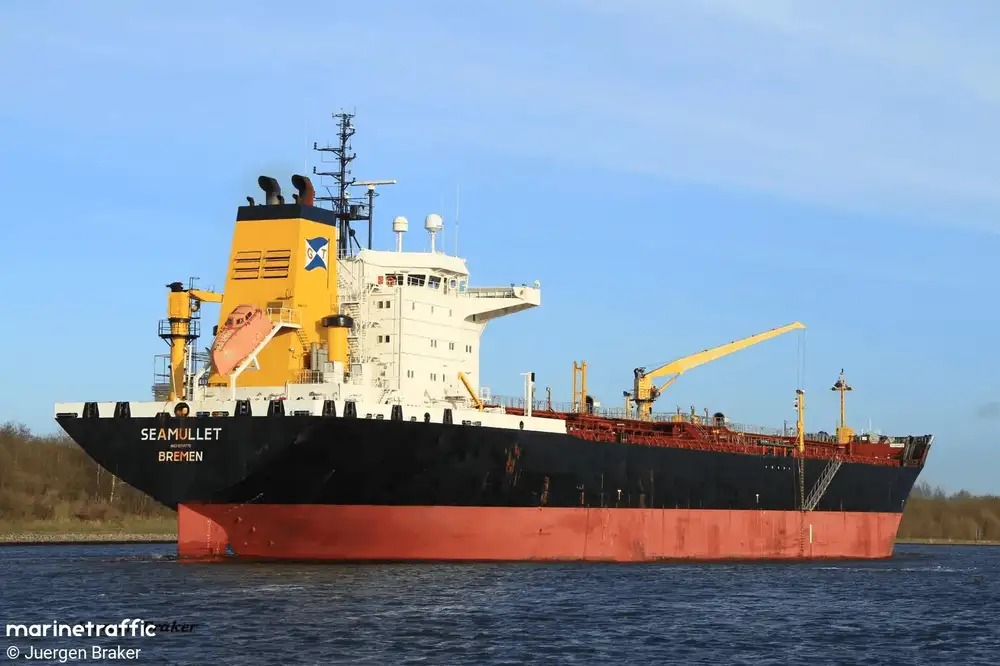
Somali pirates have hijacked the oil-products tanker Sibu 1, also known as Seamull, in the Gulf of Aden, providing further evidence that armed groups are rebuilding their ability to attack vessels far from the Somali coast.
The Eritrea-flagged tanker broadcast a distress call on 20 August 2026 while sailing approximately 136 nautical miles — 252 km — east of the Yemeni port of Al Mukalla. According to UK Maritime Trade Operations, an unauthorised vessel approached the tanker before six armed individuals boarded it.
The attackers took control of the ship and redirected it towards Somalia’s Puntland region. As of 28 August, there had been no official confirmation that the tanker had been released.
Twenty Seafarers Were Aboard
According to the Associated Press, Sibu 1 was carrying 20 crew members, including 16 Indian nationals and seafarers from Syria, Sudan and Iraq. The nationality of one other crew member was initially unknown.
Official reports did not provide confirmed information about the condition of everyone aboard. It would therefore be inaccurate to state that the crew has been released or is safe.
The tanker is managed by UAE-based Qatrat Alnada Almasi Ship Management. The United States sanctioned the vessel in December 2025 over allegations that it had transported Iranian petroleum products. Its sanctions status, however, does not alter the nature of the armed seizure or the risks facing its crew.
Six Commercial Ships Seized Since April
Sibu 1 became the sixth commercial vessel hijacked by Somali pirates since April 2026. Three days before the tanker attack, armed individuals seized the general cargo vessel Lutuf off Somalia.
Pirates had previously captured the tankers Honour 25, Eureka and Asana, as well as the general cargo ship Sward. Some of the vessels and their crews have been held for extended periods in Somali waters.
Reuters reported that at least 13 vessels have been targeted off Somalia and in the Gulf of Aden in 2026. Only five attacks were recorded in the area during the whole of 2025.
Global Incidents Fell, but Crew Risks Increased
The deterioration off Somalia contrasts with the broader global trend. The ICC International Maritime Bureau recorded 38 piracy and armed-robbery incidents during the first half of 2026, the lowest mid-year figure since 1992.
Between January and June:
- 27 vessels were boarded;
- five vessels were hijacked;
- three were fired upon;
- three attempted attacks were reported;
- 67 seafarers were taken hostage.
Somali pirates accounted for 94% of all crew members taken hostage during the period. Four vessels were hijacked in the region between April and May, with further attacks following during the summer.
“The lowest mid-year level of reported piracy and armed robbery incidents since 1992 is encouraging. However, there is no room for complacency. Crew safety remains at risk, and the slight uptick of Somali piracy is a reminder that continued vigilance and regional cooperation remain essential,” IMB Director Michael Howlett said
Pirates Are Operating Farther Offshore
One of the most concerning features of the renewed threat is the ability of armed groups to operate at considerable distances from Somalia. Previously hijacked fishing boats and dhows can be used as mother ships for extended offshore operations.
These vessels allow pirates to carry additional fuel, supplies and weapons while approaching commercial shipping lanes previously considered relatively secure.
Slow-moving vessels with low freeboards, limited watchkeeping and poorly protected access points face particularly high risks. The IMB advises operators to follow the latest Best Management Practices, maintain continuous surveillance and immediately report suspicious activity.
Shipping Companies Face Higher Costs
The Gulf of Aden connects the Indian Ocean with the Red Sea and Suez Canal. A sustained increase in piracy could therefore affect not only African ports but also trade routes between Asia and Europe.
For shipowners, the renewed threat could raise spending on:
- war-risk and piracy insurance;
- armed or unarmed security teams;
- crew training;
- bridge and access-point protection;
- enhanced surveillance;
- speed and route adjustments.
The risk is growing while commercial shipping continues to face missile and drone threats in the Red Sea. The redeployment of naval resources to address those attacks may have reduced the deterrent presence off Somalia, although no single cause for the piracy resurgence has been officially established.
Regional governments are considering the creation of a combined task force under the Djibouti Code of Conduct. Its geographical scope, composition and resources have not yet been finalised, meaning the proposed force is not currently operational.
Read also: Pirates Seize Lutuf off Somalia as Regional States Plan Joint Task Force
